This post may contains affiliate links. Read our full disclosure here.
Have you ever wondered how a tiny bug nearly brought the entire wine world crashing down? The story of phylloxera reads like a suspense novel—only it actually happened. This microscopic insect devastated Europe’s vineyards in the 19th century, wreaking havoc on an unprecedented scale. The phylloxera wine epidemic wasn’t just a minor agricultural hiccup—it was an existential threat that forever changed how wine is produced worldwide.
This fascinating tale combines elements of disaster, science, international cooperation, and ultimately, triumph. Every time you enjoy a glass of your favorite wine, you’re tasting the legacy of this remarkable crisis and its solution. The phylloxera story reveals how vulnerable our food systems can be and how human ingenuity can overcome seemingly insurmountable challenges.
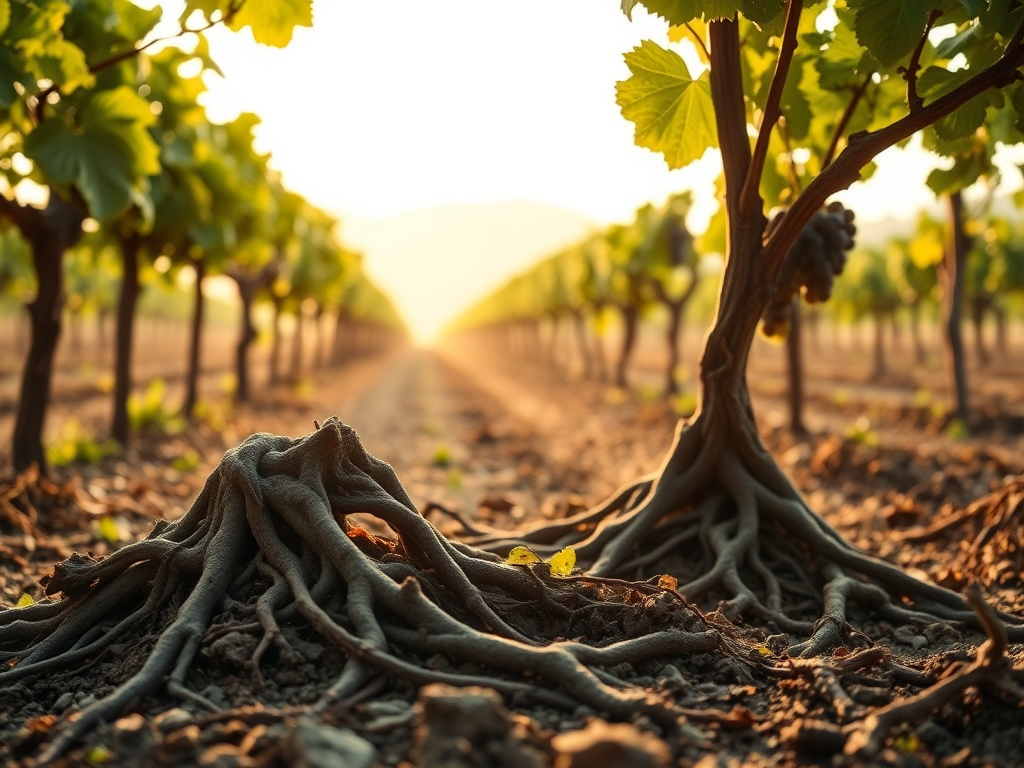
What Is Phylloxera? Understanding the Vineyard Villain
Phylloxera (Daktulosphaira vitifoliae) is a microscopic yellow insect related to aphids. Native to eastern North America, this tiny pest lives primarily in soil and attacks grapevines by feeding on their roots. What makes phylloxera particularly destructive is its feeding method—it injects a toxic saliva that prevents wounds from healing, essentially creating open sores on the vine’s root system.
These wounds become entry points for harmful bacteria and fungi, leading to secondary infections. Unable to properly absorb water and nutrients, affected vines gradually weaken, with leaves yellowing and curling before the entire plant eventually dies—usually within 3-5 years of infestation. Before phylloxera was identified, European winemakers had no natural defenses against this foreign invader.
The lifecycle of phylloxera is complex, with both soil-dwelling and leaf-dwelling forms. The root-feeding variety causes the most damage to European wine grapes (Vitis vinifera), which had evolved without exposure to this pest. American grape species, having co-evolved with phylloxera over millennia, developed natural resistance mechanisms that European varieties lacked entirely.
- Phylloxera is a root louse, not a virus or fungus
- It was first scientifically described in the 1850s
- The pest primarily attacks European Vitis vinifera grape species
- A single insect can produce up to 200 eggs
- Phylloxera can survive in soil for years without detection
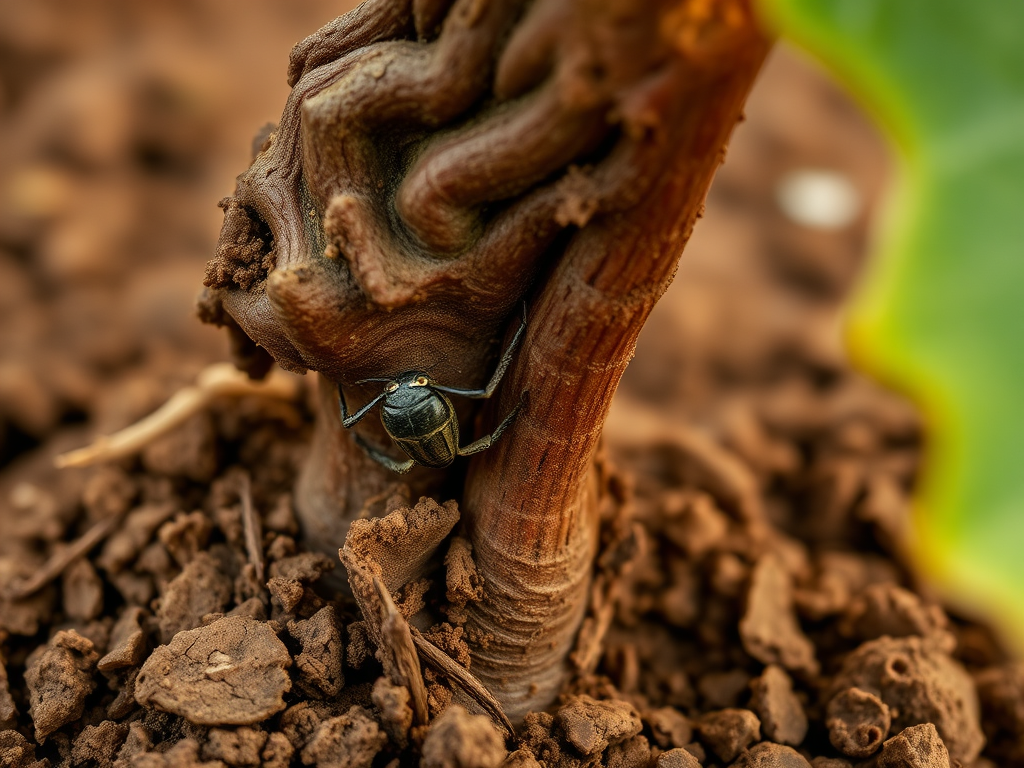
The European Wine Crisis Begins: Phylloxera’s Devastating March
The phylloxera saga began innocently enough. In the 1860s, French vineyard owners noticed something troubling: perfectly healthy vines were mysteriously dying. Leaves wilted. Production plummeted. By the time scientists identified phylloxera as the culprit in 1868, it was already too late—the deadly pest had spread throughout major wine regions.
- First confirmed in France around 1863 in the Rhône Valley
- By 1900, over 6 million European vineyard acres were destroyed
- Wine production in France dropped by more than 70%
- Thousands of wine-growing families lost their livelihoods
- Many historic grape varieties disappeared completely
The insect had hitchhiked to Europe on American vine samples brought over by botanists and collectors fascinated by exotic plant varieties. These enthusiasts had inadvertently imported not just vines but also their microscopic passengers. What followed was agricultural devastation on an unprecedented scale.
France, the epicenter of the crisis, watched helplessly as its wine industry collapsed. By 1900, phylloxera had destroyed over 6 million acres of European vineyards, with France losing more than 75% of its vines. Wine production fell from 84.5 million hectoliters in 1875 to just 23.4 million in 1889—a catastrophic 72% decrease. The economic impact was staggering, leading to mass unemployment and rural exodus as entire wine-growing communities lost their livelihoods.
From France, the phylloxera epidemic spread like wildfire across Europe. No wine region was spared—Italy, Spain, Germany, Portugal—all fell victim to this invisible enemy. The crisis was so severe that French wine producers temporarily relocated to Algeria, establishing vineyards there to maintain production while their homeland’s vines withered. The cultural and economic heritage of centuries was vanishing before their eyes.
“It was not simply a viticultural pest—it was a national disaster,” wrote George M. Taber in Judgment of Paris, capturing the magnitude of the crisis that threatened to permanently alter the history of wine in France and beyond.
“It was not simply a viticultural pest—it was a national disaster,”
Failed Fixes and the Surprising Phylloxera Solution
As panic spread through wine regions, desperate vineyard owners tried everything imaginable to save their livelihoods. Some buried live toads under vines (folk remedies die hard). Others attempted controlled flooding of vineyards, reasoning that the insects would drown. The French government even offered a reward of 300,000 francs (millions in today’s money) to anyone who could find an effective cure.
Chemical treatments became popular, with carbon disulfide initially showing some promise. Vineyard workers would inject this toxic substance into the soil around infected vines, temporarily suppressing phylloxera populations. However, the treatment was expensive, dangerous to apply, and ultimately ineffective for long-term control. Other growers tried quarantine measures, but the microscopic pest continued its relentless advance.
- Early treatments included flooding, chemicals, and even folk remedies
- Carbon disulfide showed temporary effectiveness but was dangerous
- Grafting European vines onto American rootstock became the standard solution
- The technique maintains European grape flavors while resisting phylloxera
- Most wine-producing regions eventually adopted grafting by necessity
The solution, when it finally came, was elegant in its simplicity. Scientists observed that American grape varieties showed natural resistance to phylloxera. Rather than trying to kill the bugs, why not use rootstock that could withstand the attacks? This insight led to the technique that ultimately saved European wine: grafting. European vines (Vitis vinifera) would be grafted onto American rootstock, combining the flavor profiles of European grapes with the phylloxera resistance of American roots.
The technique wasn’t immediately embraced. Many vineyard owners resisted, believing that American rootstock would alter the character of their wines. Some regions like Champagne held out until nearly all their vines had died. But eventually, the evidence became undeniable—grafting worked, and it preserved the essential qualities of terroir that define great wines.
Long-Term Effects of Phylloxera on Wine Production
The phylloxera crisis wasn’t just a temporary setback—it fundamentally transformed the wine world forever. When replanting began with grafted vines, vineyard owners faced critical decisions about which grape varieties to salvage. Many chose to focus on commercially viable varieties, leading to the permanent loss of hundreds of indigenous grape types that had existed for centuries.
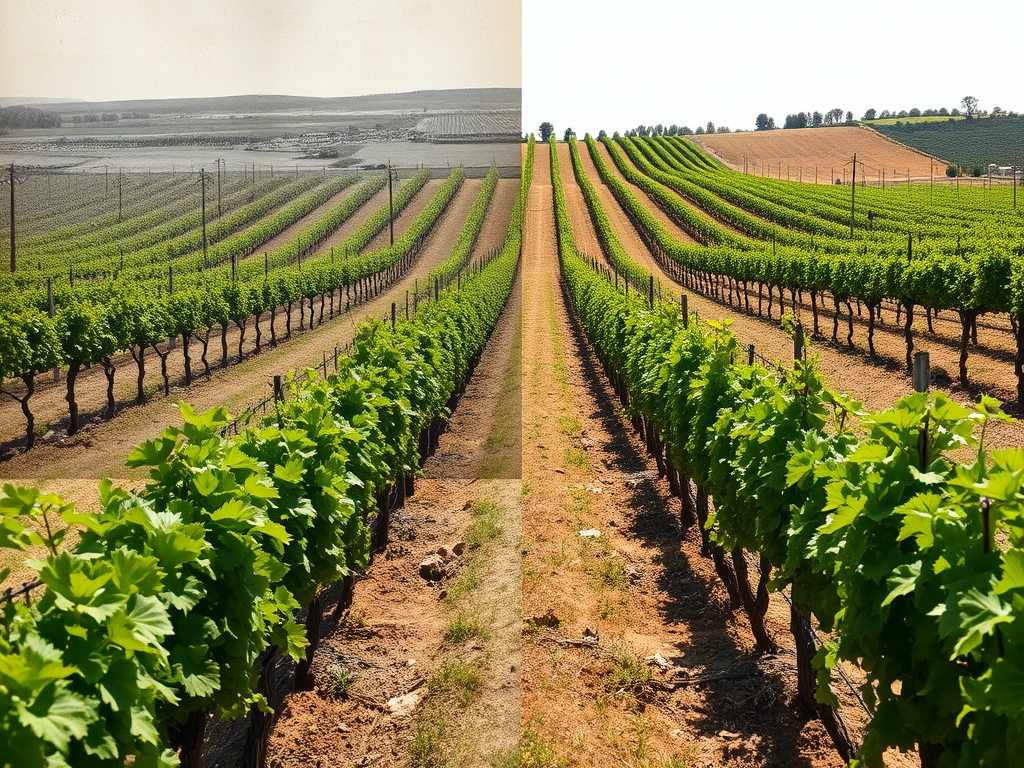
This forced reconstruction also provided an unexpected opportunity to modernize. Vineyards were replanted with more systematic layouts, often selecting locations based on scientific understanding rather than just tradition. The crisis accelerated the transition from medieval viticultural practices toward more scientifically informed approaches. In this way, phylloxera inadvertently helped create the foundation for modern wine production.
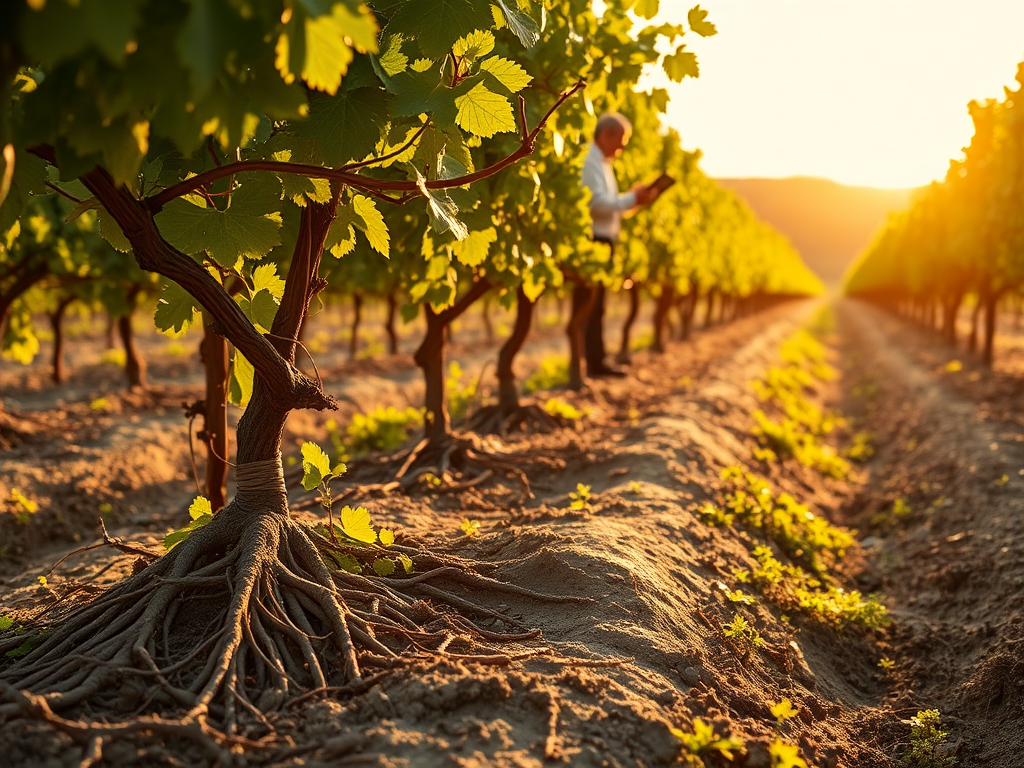
The grafting solution itself permanently changed viticulture. Today, nearly all commercial vineyards worldwide use grafted vines as standard practice. The rootstock selection process has become highly specialized, with different American varieties chosen based on soil type, climate, and other environmental factors. This has created an entirely new industry focused on rootstock development and nursery production.
- Hundreds of local grape varieties were permanently lost during replanting
- Vineyard layouts became more systematic and scientifically planned
- Grafting became standard practice in commercial wine production
- A specialized rootstock industry emerged from the crisis
- International scientific cooperation became a model for solving agricultural problems
Perhaps most significantly, the phylloxera crisis demonstrated the value of international scientific collaboration. French, American, and other researchers worked together across borders to solve an agricultural emergency. This model of cooperation continues to influence how the wine industry approaches agricultural challenges, highlighting that traditional and modern winemaking methods can coexist and complement each other.
Why Phylloxera Still Matters Today
You might think phylloxera is just a historical footnote, but this tiny pest remains an active threat to vineyards worldwide. While grafting provides effective protection, the bug itself hasn’t gone anywhere. Regions that initially escaped infection—like parts of Australia, Chile, and Argentina—have experienced modern phylloxera outbreaks when preventative measures lapsed.
- Napa Valley experienced a devastating second outbreak in the 1980s
- Phylloxera-free regions maintain strict biosecurity measures
- Climate change could potentially extend phylloxera’s range
- Ongoing research continues to develop more effective rootstocks
- The pest demonstrates how vulnerable agricultural monocultures can be
The Napa Valley faced a devastating phylloxera resurgence in the 1980s when vineyards planted with a supposedly resistant rootstock called AxR1 began failing. This single mistake cost the region over $1 billion in replanting expenses. The incident served as a sobering reminder that even with modern technology, there’s no permanent cure—only ongoing management through proper rootstock selection.
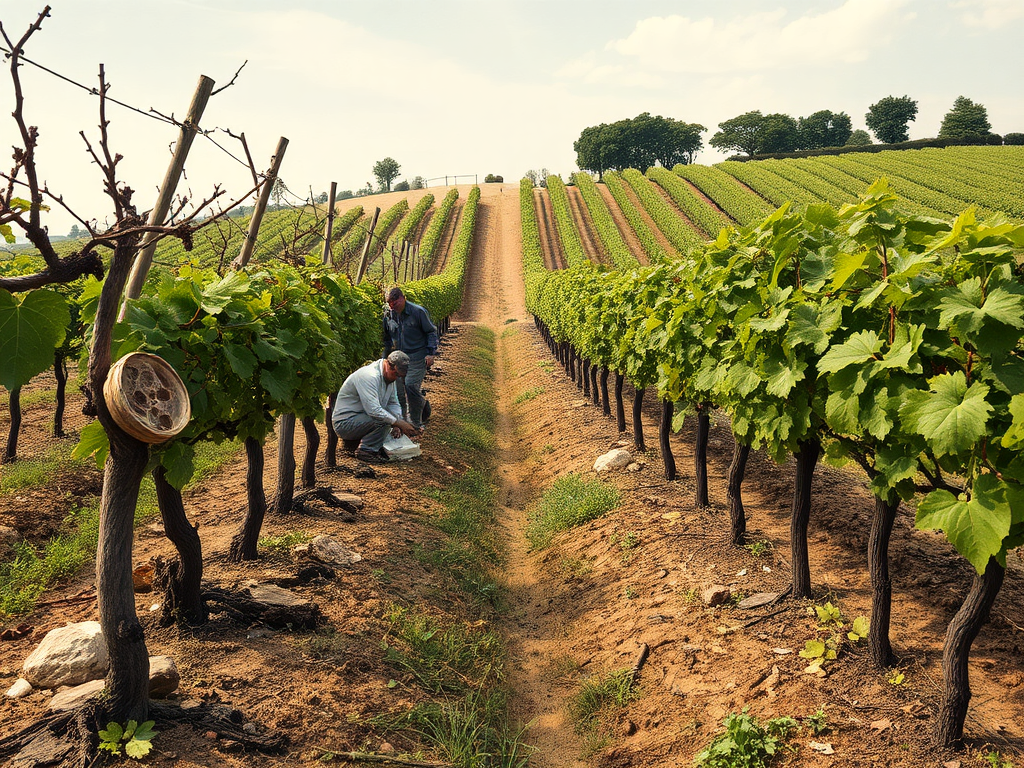
Today’s wine classification systems around the world and industry practices reflect the phylloxera legacy. Many regions maintain strict biosecurity protocols, requiring special footwear disinfection when entering vineyards. Australia and New Zealand have implemented particularly rigorous measures, including bans on soil imports and strict quarantine for vineyard equipment.
Climate change adds another layer of concern. As temperatures rise, phylloxera can potentially expand into previously inhospitable regions. The pest reproduces more quickly in warmer conditions, potentially increasing pressure on existing control methods. This ongoing challenge demonstrates how the wine industry continually balances tradition with adaptation to ensure survival.
Ungrafted Vines: The Rare Survivors
While most of the world’s vineyards now use grafted vines, a few remarkable exceptions exist—living time capsules from the pre-phylloxera era. These rare ungrafted vineyards have survived either through geographical isolation or unique soil conditions that naturally repel phylloxera. These living viticultural treasures offer a direct taste connection to the world before the epidemic.
Chile stands as the most significant phylloxera-free wine country, protected by natural barriers—the Atacama Desert to the north, the Andes Mountains to the east, the Pacific Ocean to the west, and Antarctica to the south. This geographical isolation has preserved Chile’s original European vine cuttings, allowing them to grow on their own rootstock. Some of these vines date back to the 16th century, representing the oldest productive vineyards in the Americas.
Parts of Australia, particularly island Tasmania and isolated regions of South Australia, remain phylloxera-free through strict quarantine measures. Walking into a vineyard often requires stepping through disinfectant footbaths, and equipment must be thoroughly cleaned before crossing regional boundaries. This vigilance protects some of the world’s oldest continuously producing vine stock.
In Europe, a few magical spots have somehow evaded infestation. The volcanic soils of Santorini in Greece have naturally high aluminum content that repels phylloxera. In the sandy soils of Colares, Portugal, and parts of America, phylloxera cannot survive or move effectively through the loose particulates. These natural phylloxera barriers have preserved genetic material and traditional growing methods that would otherwise have vanished.
- Chile remains largely phylloxera-free due to natural geographical isolation
- Australia maintains strict regional quarantines to protect phylloxera-free zones
- Volcanic soils in Santorini naturally repel the pest
- Sandy soils in some regions prevent phylloxera movement
- Pre-phylloxera vines offer a direct taste connection to historical wines
A Toast to Wine’s Resilience
The story of phylloxera reminds us that each glass of wine represents more than just fermented grape juice—it embodies centuries of crisis, innovation, and adaptation. When you next enjoy your favorite Cabernet or Chardonnay, take a moment to consider that nearly every vine producing those grapes has been carefully grafted to survive an ongoing battle with a microscopic adversary.
This historical crisis fundamentally changed how humans cultivate grapes, accelerating scientific approaches to agriculture and creating new systems of international cooperation. The solutions required thinking beyond borders, combining Old World winemaking traditions with New World biological resistance. Without this cross-continental collaboration, the wine world as we know it might have disappeared entirely.
Perhaps most remarkably, this agricultural disaster ultimately improved wine production in many ways. The necessity of replanting entire regions led to more thoughtful vineyard design, better understanding of terroir, and the emergence of scientific viticulture. Sometimes destruction creates space for reinvention and improvement.
The legacy of phylloxera continues to shape modern winemaking. Every time a viticulturist selects rootstock, implements biosecurity measures, or preserves a heritage grape variety, they’re responding to lessons learned during this existential crisis. The wine in your glass today exists because of human ingenuity, scientific advancement, and an unwavering commitment to preserving one of civilization’s oldest pleasures.
Next time you raise your glass, perhaps offer a silent thanks to those determined scientists and vineyard owners who refused to surrender when faced with microscopic devastation. Their persistence ensured that centuries of winemaking tradition could continue flowing into our glasses today. Your wine not only tells the story of its terroir and vintage—it tells the remarkable story of survival against seemingly impossible odds.